Nobody told me about my dog’s life stages. I wish someone had.
Though I had to live it to write it.
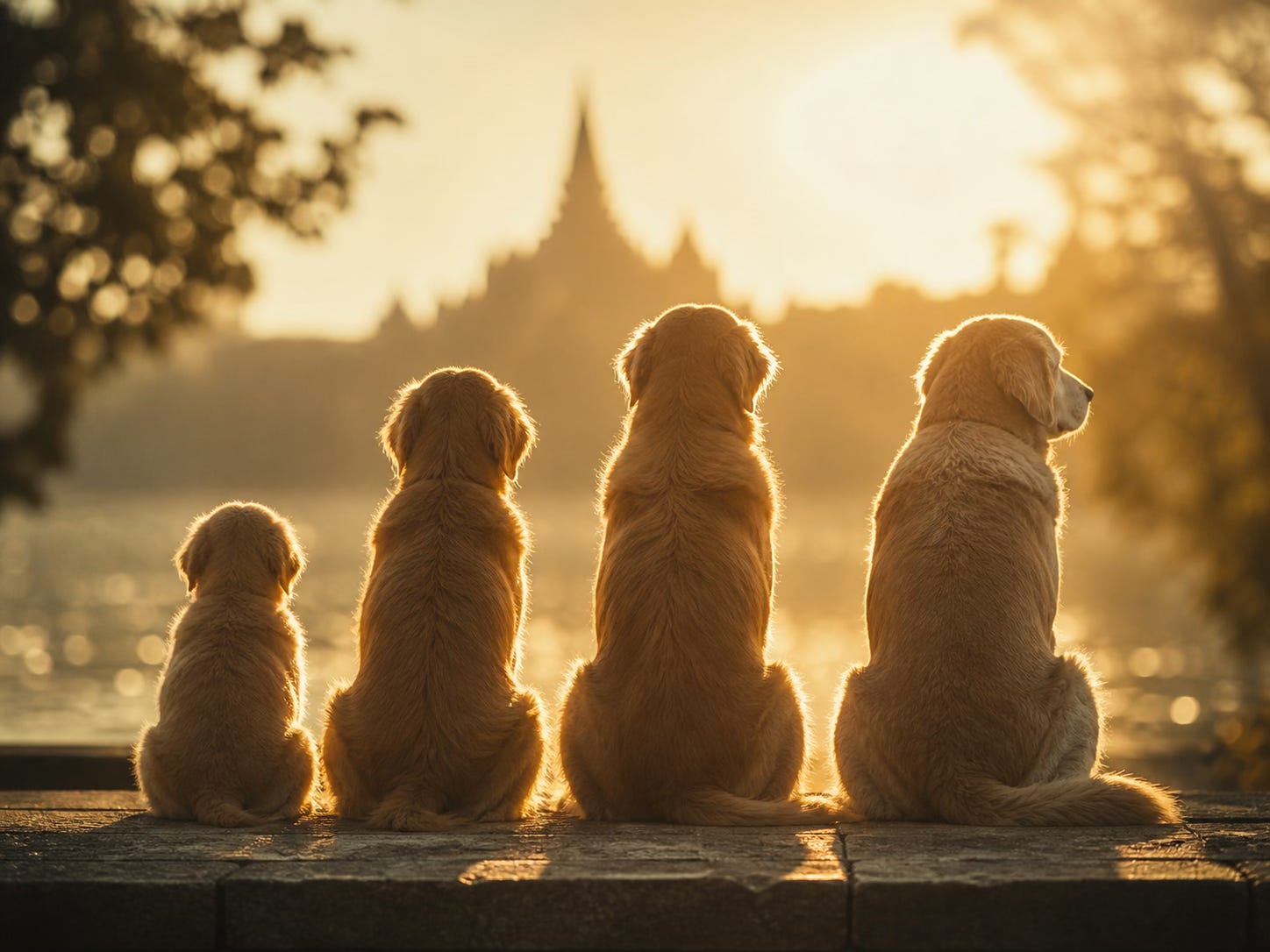
Honestly, I wasn’t the most informed person about dogs’ life cycles until after three or four years of living with Max and realizing how much his energy had changed. He’s 7 now, and looking back, the difference is real. I think I’ve had enough time to write a proper product review, haha.
Now that I’m more aware of how each stage shifts, the energy, the needs, what each one asks of you, I notice it everywhere. On trails, on the street, I see that constant rushing with their dogs that makes me think about how much we need to educate ourselves before getting a dog, or at least take the time to do it after we already have one. And I recognize it because I was there too.
So many of us buy or adopt a dog without knowing the breed, the energy level, or the needs that come with it, to get a sense of whether our lifestyle would actually be a good match. I’m including myself here. I didn’t do the research. I learned everything on the go with Max, and from YouTube videos I searched when I had no idea what else to do.
Having a dog is not just having a fluffy, adorable little creature that melts your heart in that tiny puppy version everyone loses their mind over. Having a dog is a responsibility that we are not always prepared for.
Let me walk you through the stages. I’m pretty sure you’ll recognize exactly where you are right now. If you do, tell me in the comments.
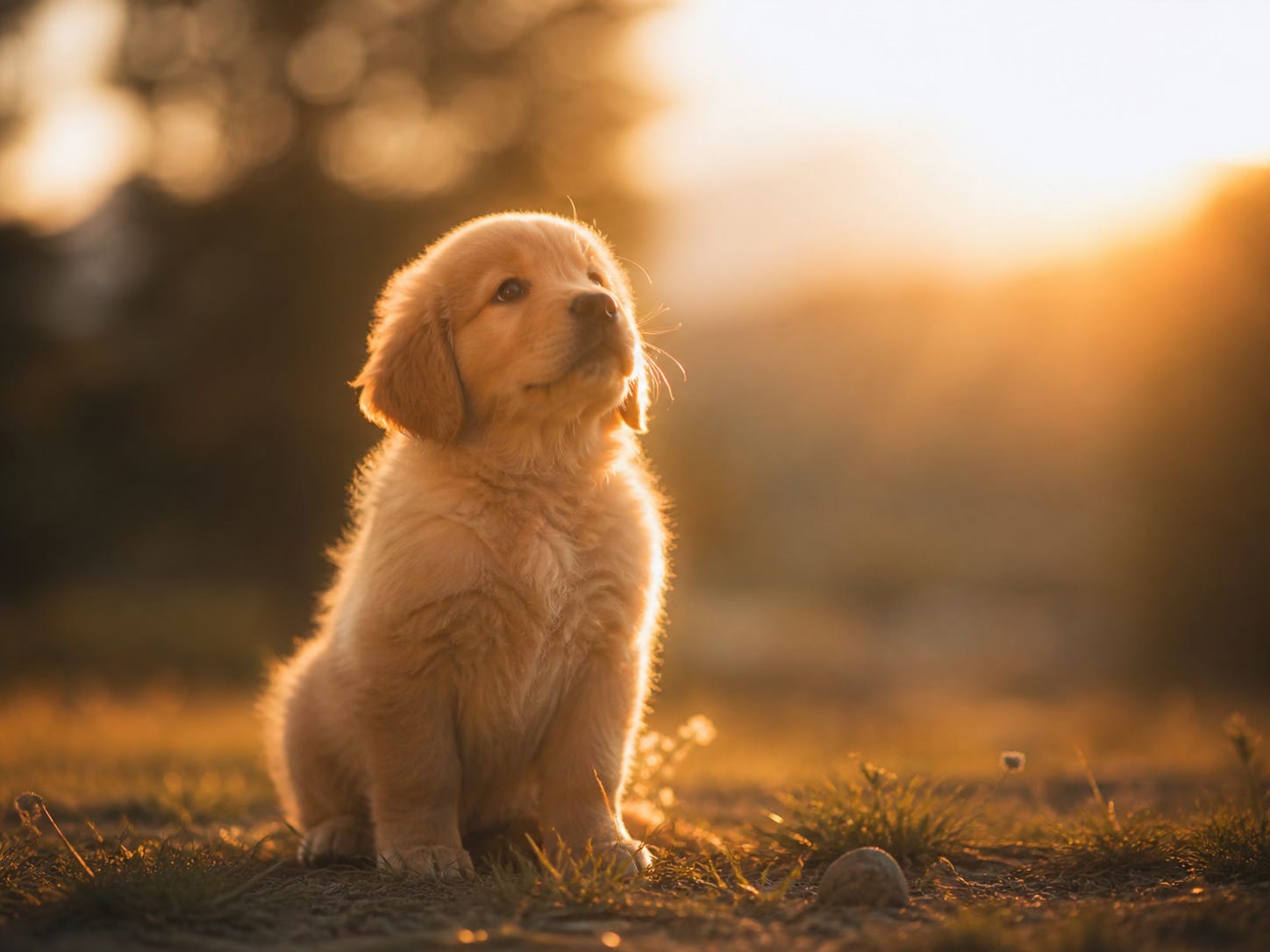
The Puppy Stage: the most adorable ones
This is the sweetest stage, and also the one that can stir up the most things inside you, because everything is new with him.
From 0 to 2 months, puppies are completely dependent on their mom, if they had the chance to stay with her long enough. Her milk, her warmth, her contact. Mom teaches them boundaries, play, canine communication, and bite control. It’s pure discovery of the world. They are babies.
We can usually bring them home after 2 months, and that’s when a whole new world begins. This is when they learn new commands, meet new people, start socializing, figure out the new routine, the new house, the sounds, riding in the car. During these months they sleep a lot, and their cycle is repetitive: sleep, pee, play, eat, go to the bathroom, play, pee again, back to sleep. This repeats over and over throughout the day, and honestly, for the rest of their lives.
From 4 to 6 months, there’s real trust between you. They feel comfortable in their space, they’re pros at the routine, and they enter a more exploratory phase. Lots of biting, curiosity, play, energy at full capacity, and a real need for structure.
This is also when the teething begins, the shift from shark teeth to more mature ones. It can be intense. A lot of puppies bite hands, clothes, furniture, leashes, shoes, not because they’re bad, but because they’re teething and exploring the world with their mouth. Just like babies when they start crawling and put everything in their mouth, or when their teeth are coming in and they chew on everything because their gums itch. Puppies don’t cry or run a fever, but they go through that same phase of losing their baby teeth and needing to bite to ease that discomfort.
6 months to 2 years: the adolescent
I’m going to spend a little more time here, because this stage is critical. If you’re in it right now, let me say this first: don’t give up. Stay with your dog through all of it. I promise it’s worth every chaotic moment. When you come out the other side and look back, you’ll say “I survived the hardest part, and it was worth every single day.”
I say this because this is the stage where most people give up on their dogs. They don’t understand the hormonal changes, the intense energy, the emotional dysregulation. Your dog is going through something in his body that even he doesn’t understand, and the last thing he needs is more scolding or punishment. What he needs most is your patience, your understanding, and your guidance.
During this stage a lot of people say: “What happened to my puppy? He used to listen and now it’s like he forgot everything.” And yes, he knows. But he can’t hold it together with that much emotion trapped in his body. His brain is changing, his hormones are shifting, and he’s starting to become more independent.
You might notice more impulsiveness, jumping on people, intense reactions to other dogs or strangers, distraction, less self-control, and moments of sensitivity or sudden fear of new things. It’s frustrating. I know. But it’s exactly what needs to happen.
Has your dog ever jumped up to grab the leash from your hand? Or have you seen dogs bite the leash like they’re trying to take it away from their human? That’s not rebellion. A walk is just not enough. They’re not even running. Nobody’s making it fun. For them, that’s absolutely boring. They want action, they want to run, they want to play, and they need to burn energy. If they don’t, they get frustrated, and that’s when they start chewing things they shouldn’t. There’s nothing wrong with your dog. It’s about understanding his energy and what he actually needs.
This happened with Max during this stage. I didn’t understand why he kept biting the leash in the middle of our daily walk. Now, when I see that in other dogs, I immediately understand what they need: to run, to release that energy. That was exactly what Max needed.
So if you already made it through this stage and stayed, I applaud you, truly. You’re brave. And if you’re in it right now, please keep going. Breathe and look into those bright little eyes full of desire for your attention, and you’ll find love and understanding waiting there. He’s a teenager. He needs you to remember that.
So what do you do with all that energy? Suppressing it, punishing him, scolding him, or forcing him into the crate will not work. That’s not the loving answer they need, and it doesn’t strengthen the bond. It breaks it.
One of my mistakes was exactly that. I used to put Max in the crate when he had too much energy. He just wanted to play, that was all he was asking for, and my impatience, my lack of understanding, my “I don’t have time for this” led me to lock him in. What did I find? A frustrated teenager and a broken relationship. It’s one of the things I’m least proud of.
Thanks for reading. Subscribe for free to receive new posts.
What actually strengthens the bond is taking him swimming, to a lake, beach, or pool, whatever you have nearby, if he likes water. Taking him to the park to play fetch together, not to socialize with other dogs while you scroll your phone. That doesn’t build connection either. Running together works great at this stage because the energy is there, though don’t overdo it: take breaks and stick to the shade if the temperature is above 70°F, they overheat much faster than you do with all that fur. When you can, take them to different trails so they can explore new places instead of getting bored walking the same route every day. And let them sniff. That’s how they’ve explored the world since the day they were born. It stimulates their brain and burns energy as they process all that new information.
This is also where it makes sense to talk about breeds, because not all dogs have the same energy or the same needs. Say you’re a marathon runner and you love Pugs and want to bring one along for training. That Pug is not going to last long. Their short legs and energy only go so far, because they weren’t built for that. Pugs were bred as lap dogs for Chinese emperors. They lived in palaces with their own security staff, valued for their wrinkled faces and playful temperament. They were born for royalty and comfort, not for suffering through miles of running. A complete lack of glamour. And if you push them, you’re exhausting them without even realizing it.
Even a Golden Retriever isn’t going to keep up with you for long, because their nature is retrieving: bringing back what you hunted, or in Max’s case, that sock you left in the closet or the kitchen towel sitting there alone. They have energy, but it has limits. If you’re a marathoner, a Border Collie might be a better training partner. They were built for intense herding work and need constant mental and physical stimulation. Though even then, I’d say breaks matter. The idea is to enjoy each other, not to injure them. Remember, he didn’t sign up for a marathon. You did.
Do you remember yourself as a teenager? You wanted to do everything, go out with friends, go to parties, meet new people, play your sport, and it felt like you could fit it all into one day without running out of battery. You knew everything, which is why you didn’t listen to your mom or dad. Everything annoyed you. You were more independent. That is exactly what your dog is living from 6 months to 2 years.
So: patience and love. If you chose to have a dog, commit to him in every stage. Guide him with love, with repetition, make it fun. That’s the secret ingredient in this whole formula.
I’ll leave it here for today. On Sunday I’ll tell you what happens when they finally start to settle, and what it means to watch him arrive at 7 years old with little white hairs around his eyes. See you here.
Thank you for making it all the way here. Thank you for giving yourself this space to read, feel, and connect.
Tell us in the comments: what stage are you and your dog currently in? Did any part of this resonate with you? Did you experience any realization while reading? I’d love to hear from you.
This is a space created to strengthen the bond between humans and dogs through more love, more presence, and more awareness. If you’d like to continue this journey with us, feel free to subscribe and find us in our other spaces as well.
You can also find us on Instagram and Facebook 🤍
I honor you for being here and for being part of this community.
With love, Mafer AP.
Thanks for reading. Subscribe for free to receive new posts.